
























Uganda’s religious leaders have intensified calls for ethical governance and political accountability, warning that coercive tactics cannot produce genuine public support or sustainable political legitimacy. The messages emerged during religious gatherings across major cities where clergy engaged congregations on governance issues affecting public welfare.
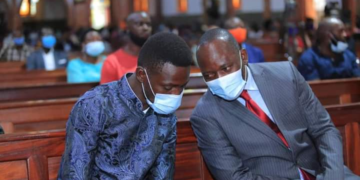
Bishop Jjumba delivered pointed remarks during a church gathering, emphasizing that political power must rest on public trust earned through transparent governance, service delivery, and respect for citizen rights. He cautioned that attempts to govern through force generate resentment and undermine the stable social conditions necessary for national development.
Religious leaders across denominations echoed similar themes, suggesting emerging consensus on governance standards among Uganda’s faith communities. These messages represent increased religious engagement with political accountability issues beyond traditional religious doctrine.
Religious Authority in Political Discourse
Uganda’s religious institutions command substantial public influence, particularly among rural populations where faith communities function as primary information sources and social organizers. Religious leader statements on governance therefore reach audiences who might not engage with secular political commentary.
This engagement reflects recognition among religious institutions that governance quality directly affects their congregations’ living conditions. Issues including corruption, service delivery deficiency, and security concerns intersect with religious community interests in community welfare and human dignity.
Specific Governance Concerns
Religious leaders addressed multiple governance issues including accountability for public resources, enforcement of existing laws against corruption, and protection of citizen freedoms including religious liberty. They emphasized that governance must serve public interest rather than concentrate power for political benefit.
The emphasis on ethical leadership reflected growing public concern about corruption, misappropriation of development funds, and selective enforcement of law affecting political opponents. Religious leaders positioned ethical governance as a prerequisite for social stability and national development.
Historical Religious Political Engagement
Religious engagement in Uganda’s political discourse reflects a historical pattern where faith communities address moral dimensions of governance and public policy. This role became increasingly prominent following the 1986 national recovery, when religious institutions gained greater public voice in national affairs.
Contemporary religious political statements typically focus on universal moral principles applicable across political affiliations rather than endorsing specific candidates or parties. This approach maintains religious credibility while enabling moral commentary on governance standards.