
























Investigations into the horrific attack at Ggaba Early Childhood Development Centre in Kampala have revealed a deeply troubling picture of the suspect’s mental health challenges and a history that appears to have been hidden from public view until the tragedy unfolded.
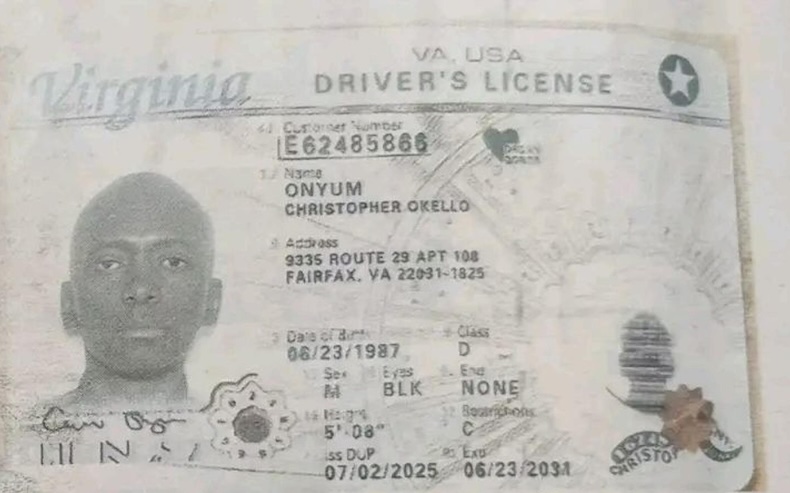
Christopher Okello Onyum, now in custody at Kabalagala Police Division, is accused of infiltrating the school premises on Thursday under false pretenses. Authorities say he posed as a concerned parent interested in enrolling a child before launching a devastating attack on youngsters at play.
A Troubled Past Surfaces
Family members and local leaders are now confirming that Onyum had experienced significant psychological challenges. According to accounts shared with investigators, his relatives had taken him to the United States sometime in the past for specialized mental health treatment. His return to Uganda in November of last year went largely unnoticed by the community until the incident brought him into the spotlight.
Ggaba Local Council Three councillor Arnold Kasujja provided insight into what family members disclosed during questioning. The suspect’s father, a resident of Bunga, informed police that they had invested in getting him treatment in America. The family was apparently unaware that he had returned to Uganda, Kasujja explained during recent statements to journalists.
Disturbing Behavioral Reports
Details emerging from those close to Onyum paint a picture of someone struggling with severe psychological disturbances. Local taxi operators who encountered the suspect reported conversations in which he spoke about seeking guidance from traditional healers in the community. These healers, according to the accounts, allegedly told him that acquiring wealth required ritual sacrifices—a belief that may have influenced his actions.
Beyond these recent revelations, unconfirmed reports suggest a darker timeline. Some sources claim connections between Onyum and an unexplained death of his stepbrother in 2017. That incident reportedly never reached police records, but family members say it prompted their decision to pursue treatment for him abroad at that time.
Official Response and Ongoing Investigations
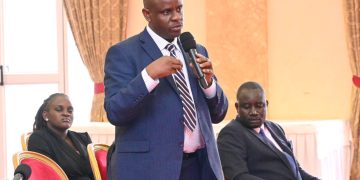
On Friday, state minister for Higher Education John Chrysestom Muyingo personally visited the traumatized school to assess the situation and coordinate the government’s response. He issued orders for the immediate closure of the facility and its associated schools, ensuring that investigations could proceed without disruption.
The ministry has pledged comprehensive support to affected families, including counseling services and financial assistance where needed. Staff members who sustained injuries during the chaotic rescue operation are also receiving medical attention and psychological support.
Questions About Prevention
The tragedy has sparked broader questions about how individuals with documented mental health histories are monitored within communities. Onyum’s apparent ability to move freely despite his psychiatric background, and his access to the school despite posing security risks, raises concerns about gaps in institutional safeguarding protocols.
Early childhood centers across Uganda typically implement visitor screening procedures, but the effectiveness of these measures in identifying individuals with concealed psychiatric conditions remains a matter of urgent concern for education officials and security experts.
The Road Ahead
As investigations continue into the full circumstances surrounding the attack, the focus remains on understanding how the tragedy occurred and what systemic failures may have allowed it to happen. The ministry and law enforcement agencies have committed to a thorough examination of both the suspect’s background and existing security measures at educational institutions.
Authorities say they are exploring every aspect of Onyum’s movements, associations, and mental state in the months leading up to the incident. Psychiatric evaluations are underway to establish his mental capacity at the time of the alleged crime and to determine whether his psychological condition should be considered during legal proceedings.