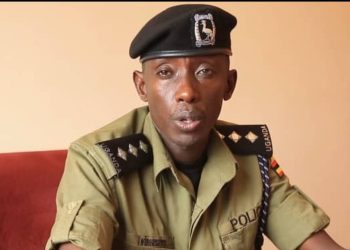
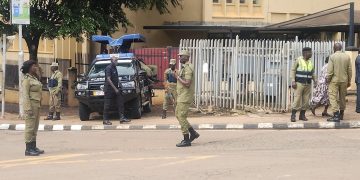








































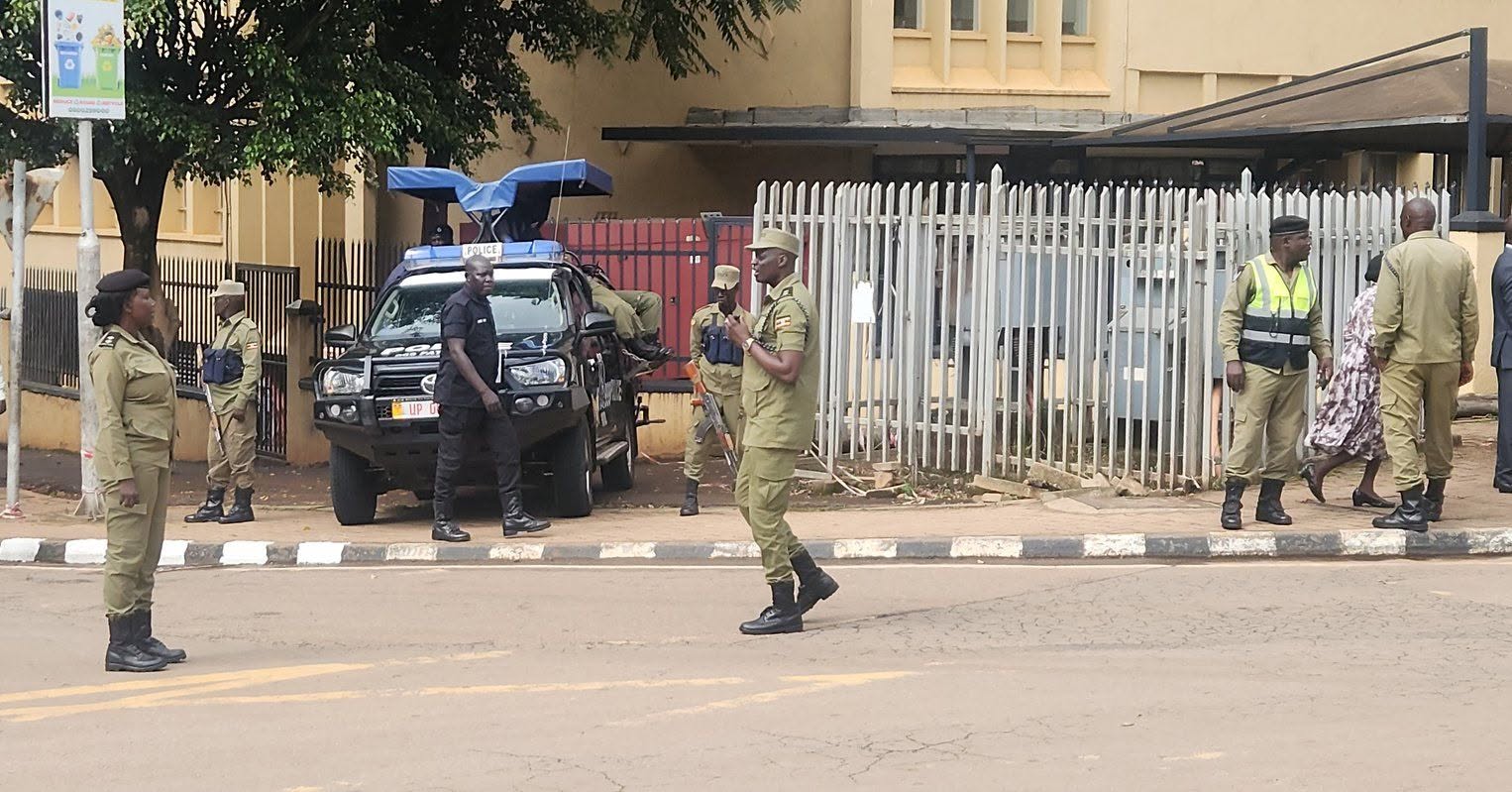
Uganda’s Parliament has reduced the number of police officers deployed at its premises from about 400 to nearly 200, following a review of security needs and a cost-cutting drive by Speaker Marksons Jacob Oboth Oboth.
Officials said the remaining officers will continue providing security at Parliament, while the others will return to police headquarters for redeployment.
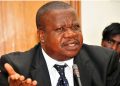
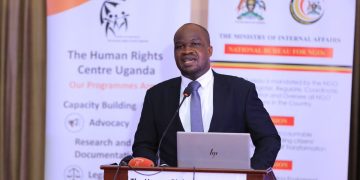
Chris Obore, Parliament’s Director of Communications and Public Affairs, confirmed the reduction. He said the move aligns with the Speaker’s pledge to promote financial discipline at the institution.
“I think to understand the reduction in the number of police personnel here should be understood in three contexts. One, you need to listen to the speaker, the new speaker, and what he says. He’s been consistently, since elected, kept saying he would operate on financial frugality,” Obore said.
Security review informed decision
Obore said Parliament made the decision in consultation with police authorities. He added that police assessed the security threat level before agreeing to reduce the deployment.
“So, by reducing the number of police, we achieve in that direction what we promised. Two, the reduction is always done in consultation with the police authorities. And if that happens, it means the police authorities are satisfied with the numbers required here, because they are the ones who assess the security threat levels,” he said.
He did not give the exact number of officers currently serving at Parliament. However, he said the reported figure of about 200 should be understood as a rounded number.
“Normally, we report the round figures. There could be 205, but you say 200. There could be 199, you can say 200. So let’s go with that,” Obore said.
According to Obore, Parliament and police agreed that the previous deployment of about 400 officers was no longer necessary after reviewing the security situation.
“If there were higher security threats, maybe the police would advise otherwise. The fact that they have gone with that decision means they are satisfied equally, and that serves the promise of the Speaker that he would prefer to live humble and be efficient,” he said.
Officers expected to return to Naguru
Sources at Parliament, who declined to be named, said the affected officers had been given until the end of the week to leave Parliament and report to police headquarters at Naguru.
Obore neither confirmed nor denied whether such a directive had been issued. He said security deployments usually take effect immediately once orders are given.
“Forces operate on directives, not as civilians who behave on procedural matters. I am sure when a commander-in-chief issues directives, they are always with immediate effect. That’s what I understand with police deployments,” he said.
VIP protection arrangements remain under police
Police officers at Parliament also provide VIP and VVIP protection. They guard the homes of senior parliamentary leaders, including the Speaker, Deputy Speaker, Leader of the Opposition and parliamentary commissioners.
Obore said decisions on VIP protection fall under police structures and are guided by threat assessment.
“First of all, you see, VIP protection is done at the VIP directorate, so I will not go into the determination of who has what protection is not entirely parliamentary. It has different levels of analysis, of threat assessment, and the appropriate deployment,” he said.
Attempts to obtain further clarification from police spokesperson Rusoke Kituuma were unsuccessful, as he did not respond to calls.