

























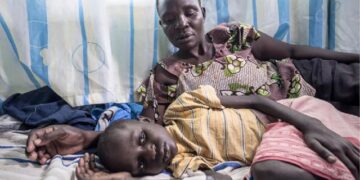





Health authorities in Jinja City have raised concern over a Bilharzia outbreak affecting fishing communities along Lake Victoria and nearby islands.
Jinja City Health Officer Dr Fredrick Isabirye said recent surveillance shows a worrying spread of the disease in the affected communities.
According to Dr Isabirye, the city surveillance team collected stool samples from 60 residents. At least 30 tested positive for Bilharzia.
“The city surveillance team collected stool samples from 60 people, and 30 tested positive,” Dr Isabirye confirmed.
The most affected areas include Kisima One, Kisima Two and Loko Landing Site. These communities rely heavily on lake water for domestic use.
Open defecation blamed for outbreak
Health experts have linked the outbreak to environmental and behavioural factors, including increased rainfall and poor sanitation.
Dr Isabirye said open defecation remains the leading driver of the disease, especially in areas without proper sanitation facilities.
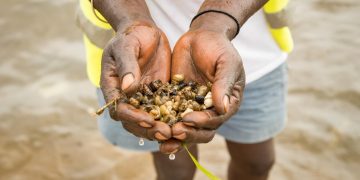
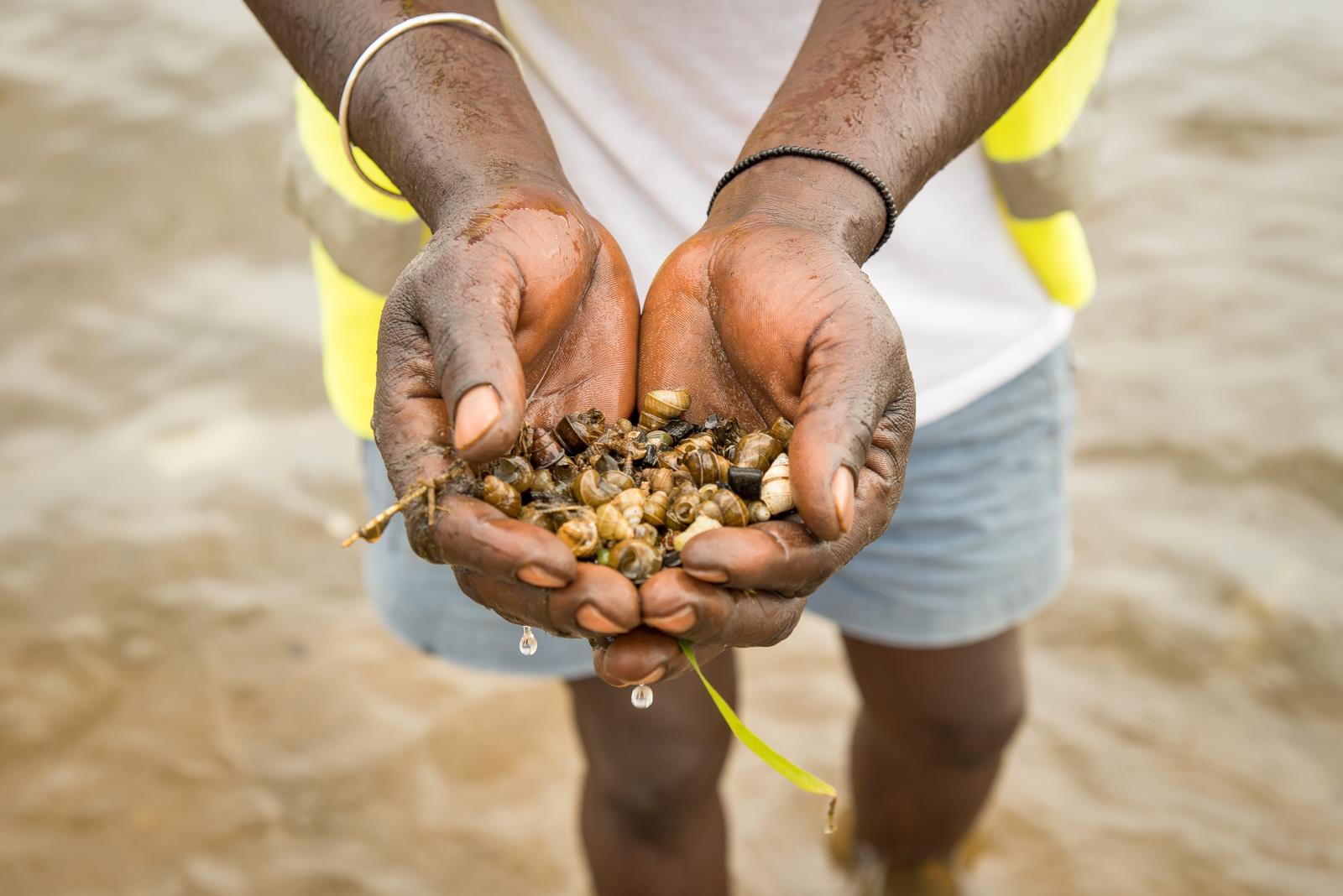
Bilharzia, also known as schistosomiasis, is caused by parasitic worms that survive in contaminated freshwater.
The parasites enter the human body through the skin when people come into contact with infested water.
Dr Isabirye urged residents to stop open defecation and improve hygiene practices to limit the spread of the disease.
No deaths have been reported so far.
Authorities seek treatment drugs
Health authorities have stepped up interventions to contain the outbreak.
Dr Isabirye said an emergency request has been submitted to the National Medical Stores for Bilharzia treatment drugs.
The drugs are expected to be distributed in affected communities once supplied.
Ongoing screening has also been expanded to identify and treat more cases.
Jinja Resident City Commissioner Salim Kumakech has led outreach campaigns on the affected islands. The campaigns focus on hygiene, sanitation and disease prevention.
Residents cite lack of safe water
Residents say limited access to clean and safe water has worsened the situation.
Many households depend directly on untreated lake water for drinking and domestic use. This increases the risk of infection.
Auma Agnes, a resident in one of the affected communities, said the only reliable source of clean water had been provided by Water Mission, a non-profit organisation.
However, she said the purification systems are no longer working.
“We are now forced to drink lake water,” she said.
Another resident, Christine Laroke, said some families buy safe water from the mainland at Masese Landing Site.
She said the cost can reach Shs2,000, including transport, which many households cannot afford.
Residents are now asking government to urgently repair and restore the broken water systems.
RCC pledges to raise water concerns
RCC Kumakech acknowledged the residents’ concerns and pledged to present them to city authorities.
He said government has a duty to maintain infrastructure established through partnerships with non-governmental organisations.
“When NGOs provide services like clean water, it is our duty as government to ensure such facilities remain functional so that our people continue to benefit,” Kumakech said.
Authorities say efforts are underway to improve sanitation infrastructure and expand access to safe water.
They say these measures are part of broader efforts to control Bilharzia in Jinja City and surrounding Lake Victoria communities.