








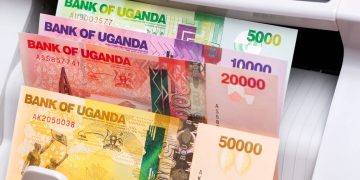
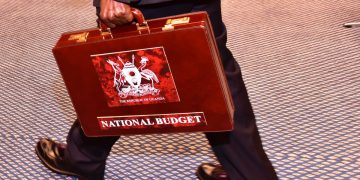






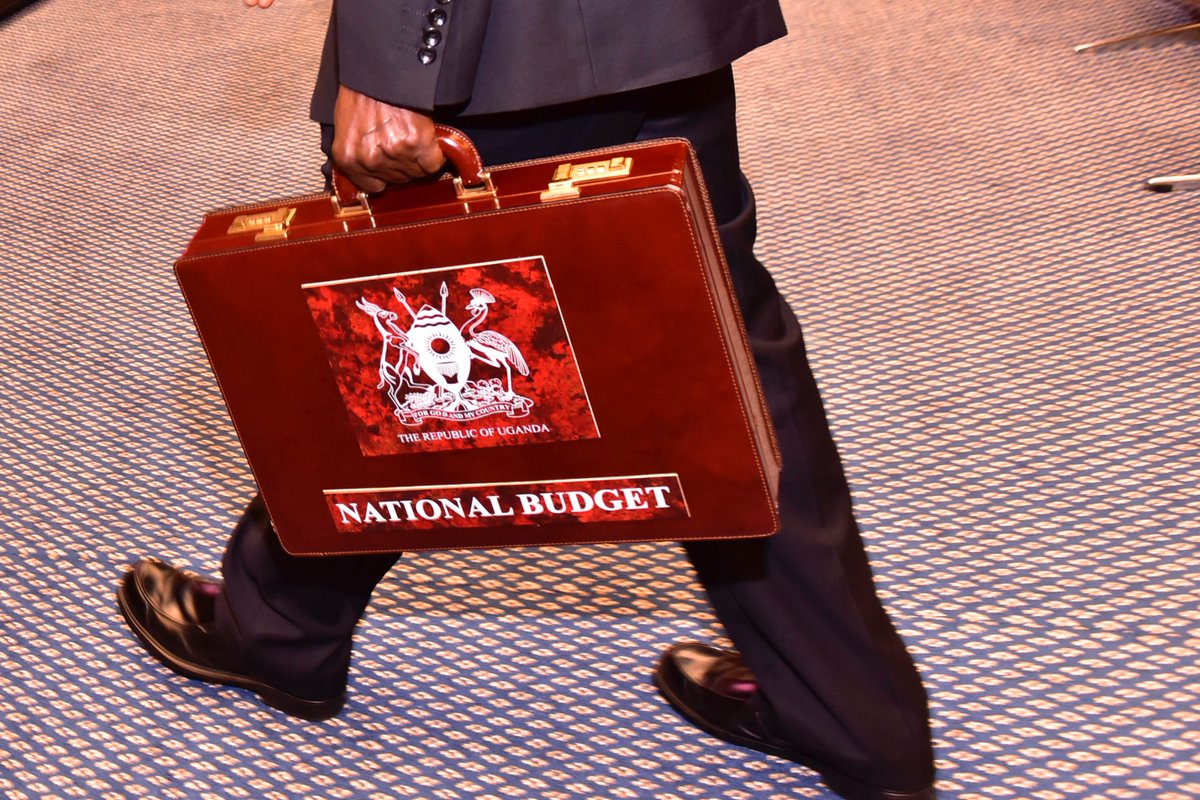
Economists and budget analysts have warned that Uganda’s proposed Shs84.3 trillion budget for the 2026/27 financial year may do little to ease pressure on ordinary citizens.
They say debt servicing and long-term industrialisation plans will take up a large share of the budget. As a result, sectors that directly support household welfare may receive limited funding.
The proposed budget is the largest in Uganda’s history. It is themed: Full monetisation of Uganda’s economy through commercial agriculture, industrialisation, expanding services, digital transformation, and market access.
Debt Costs Raise Concern
Civil Society Budget Advocacy Group executive director Julius Mukunda says the budget shows government’s ambition to promote industrialisation, infrastructure development, and wealth creation.
However, he questions whether the budget remains affordable and sustainable. He also doubts whether it can deliver meaningful results for Ugandans.
Centre for Policy Analysis executive director Timothy Chemonges shares the same concern. He says the budget reflects development goals but also exposes rising pressure on public finances.
Mukunda says Uganda’s public debt had reached Shs130.22 trillion by January 2026. He adds that debt servicing will take Shs33.4 trillion from the proposed Shs84.3 trillion budget.
That amount represents nearly 40 percent of total expenditure.
Mukunda also says Shs25 from every Shs100 collected in taxes goes to interest payments alone. He warns that this debt burden is crowding out funding for health, education, agriculture, and other critical sectors.
Analysts Call for Livelihood-Focused Spending
Mukunda and Chemonges say government should give more attention to sectors that directly improve incomes and living standards.
Chemonges says agriculture, health, education, and job creation have the strongest link to household welfare. He argues that the budget should be judged by its effect on daily life, not by its size.
Mukunda says agriculture supports more than 60 percent of Ugandans. However, the sector still faces a Shs273b funding gap for zonal mechanisation centres and breeding hatcheries.
He also points to a Shs20b shortfall needed to operationalise 158 constituency ambulances. He says the gap shows weaknesses in spending priorities.
The education sector also faces funding pressure. Mukunda says the National Curriculum Development Centre needs Shs3.5b to complete the stalled A-Level syllabus review.
He also says Uganda National Examinations Board needs Shs11.8b to train examiners on the new secondary school curriculum.
According to Mukunda, these relatively small funding needs remain unmet while debt servicing takes a growing share of public resources.
Opposition Pushes Alternative Budget
The concerns echo proposals earlier raised by the Opposition.
In April, Leader of Opposition Joel Ssenyonyi unveiled an alternative budget framework under the theme Safeguarding Lives, Livelihoods and Institutions.
He argued that a leaner Shs71.4 trillion budget would be more realistic. He also said it would better address the challenges facing Ugandans.
Public concern has also grown after government discontinued payments to medical interns. Some people fear the decision could increase pressure on already strained public health facilities.
Some Leaders See Opportunities
However, not all leaders view the budget negatively.
Serere District Woman MP Esther Lucy Achom says the budget gives Ugandans a chance to raise their incomes. She says programmes such as Emyooga and the Parish Development Model can reduce poverty if implemented well.
Achom also points to allocations for agro-industrialisation, tourism, and mineral development. She says these areas show that government is investing in productive sectors.
Still, she acknowledges concerns about Uganda’s growing debt burden.