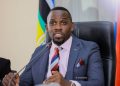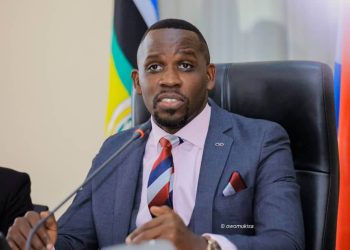
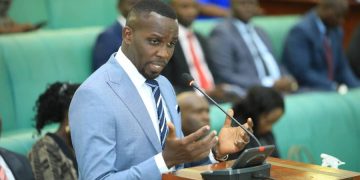





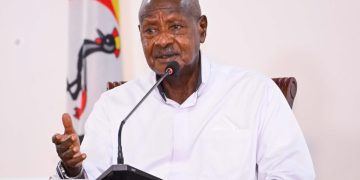
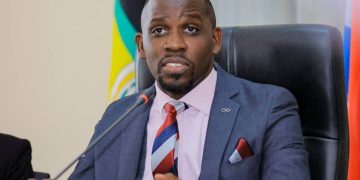





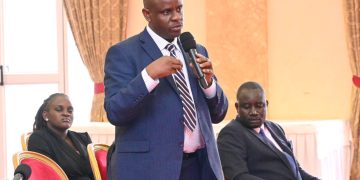



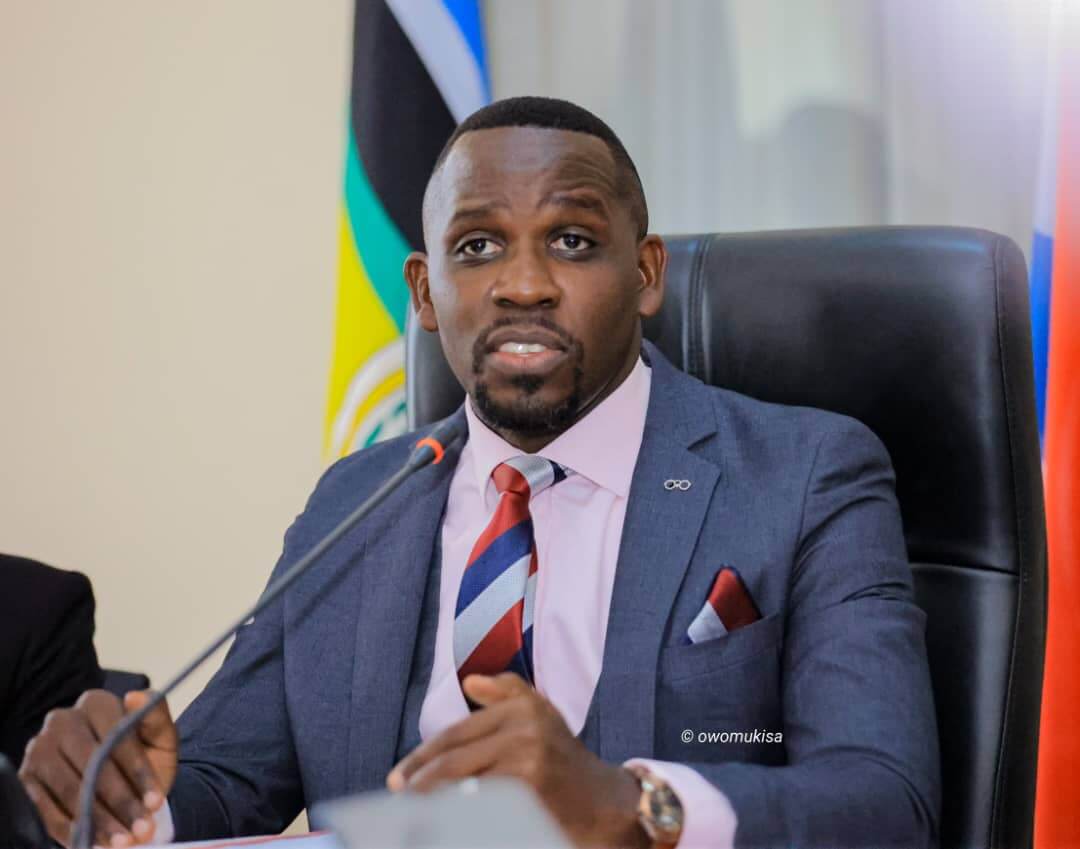
The Leader of the Opposition in Parliament, Joel Ssenyonyi, has asked the government to redirect money meant for public functions to pay medical interns’ allowances.
The Nakawa West Member of Parliament made the proposal during plenary on Wednesday.
His call comes more than a week after Finance Ministry Permanent Secretary and Secretary to the Treasury Ramathan Ggoobi announced plans to stop funding national celebrations.
The affected events include Labour Day, Independence Day and other public functions.
Government recently announced that it will abolish allowances for medical interns beginning August 2026.
Medical Internship Requirement
Section 17(2) of the Medical and Dental Practitioners Act requires medical graduates to complete internship before they can practise.
The law states that a person must have studied at a university recognised by the Medical and Dental Practitioners Council.
The graduate must also satisfy the council that they have gained experience through a full-time internship at an approved hospital.
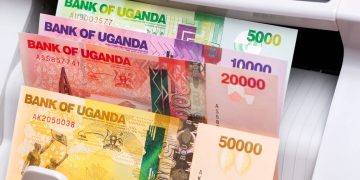
Medical interns have been receiving government allowances since 2021. The allowance was raised from Shs1m to Shs2.5m after a presidential directive.
However, government says it will stop paying the allowances from August 2026.
Instead, government-sponsored students will receive support through meals, accommodation and transport facilitation where hospitals cannot provide those services.
The new arrangement will not cover privately sponsored students.
Government Defends Decision
Government has defended the policy shift.
Officials say the move will allow thousands of graduates, previously locked out of internship placements due to funding limits, to complete their training.
They argue that more graduates will then join the health workforce.
However, Mr Ssenyonyi said the government should use savings from public functions to support medical interns.
He said funding medical interns has long been a challenge, but the freeze on financing public events should help address that problem.
More than Shs46.5b was allocated for public functions in the 2025/26 Financial Year.
Mr Ssenyonyi warned that forcing interns to fund their own training could harm Uganda’s health sector in the long run.
Nabbanja Responds
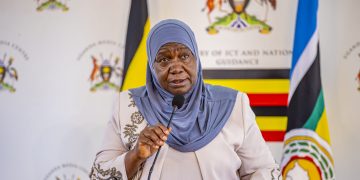
Prime Minister Robinah Nabbanja responded to Mr Ssenyonyi’s proposal during plenary.
She reminded the Leader of the Opposition that she previously served as State Minister for Health in charge of General Duties.
She said it was President Museveni who had directed the payment of medical interns, not the Opposition.
However, Ms Nabbanja said the expansion of private tertiary institutions has led to a sharp increase in students pursuing medical-related courses.
She argued that the existing policy is no longer sustainable.
“I beg that the minister of health can come with a comprehensive report here,” she said.