
Uganda is counting on a new 10-year World Bank partnership worth $3.8 billion, about Shs14 trillion, to attract private investment, create jobs and protect economic stability as oil revenues begin to flow.
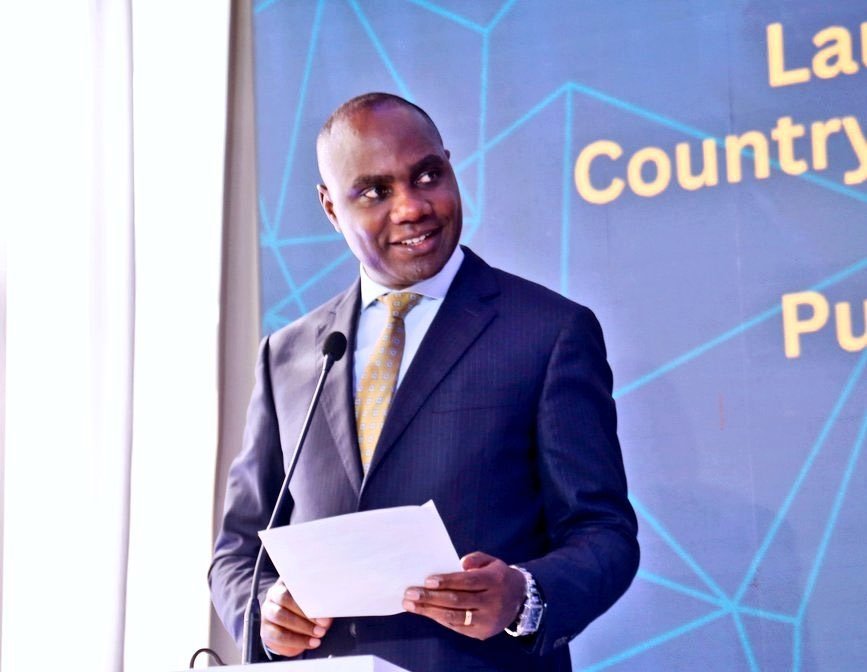
The Uganda Country Partnership Framework and the Public Finance Review were launched in Kampala.
Finance Minister Henry Musasizi said the two reports will guide how Uganda spends, invests and accounts for public resources during what he described as the country’s “oil decade.”
He said the financing will only deliver results if government reduces waste and focuses on outcomes that improve people’s lives.
New Strategy Targets Jobs and Private Capital
The Country Partnership Framework is a 10-year operational strategy through which the World Bank Group will support Uganda’s development ambitions.
It is aligned with the government’s tenfold growth strategy and priorities under the Fourth National Development Plan.
The framework seeks to support Uganda’s goal of becoming a modern, competitive upper-middle-income country by 2040.
It plans to mobilise and enable private capital at scale, estimated at $3.8 billion.
The strategy focuses on wealth creation, better jobs, stronger economic governance, healthier and better-skilled people, and improved infrastructure.
It also seeks to support better-connected communities and a more productive and inclusive private sector.
Finance Review Warns Against Overreliance on Oil
The Public Finance Review, launched alongside the framework, warns that oil revenues alone will not guarantee sustainable prosperity.
It calls for stronger institutions, efficient public spending, improved domestic revenue mobilisation and continued investment in people.
“Our focus going forward will remain on prudently executing the tenfold growth strategy to turn Uganda into a 500-billion-dollar economy, enforcing absolute discipline, enhancing revenue mobilisation, wealth creation and oil revenue management,” Musasizi said at the launch.
He said Uganda had maintained macroeconomic stability despite several global shocks.
Musasizi added that the government had strengthened public financial management, improved fiscal transparency, tightened debt management, expanded domestic revenue and reinforced public investment systems.
Musasizi Calls for Results-Based Spending
The Finance Minister said Uganda must judge development by the impact on citizens, not by the size of public spending.
“As we scale up public investment, let us remember that development is not measured by the size of our budgets, the number of projects approved or policies adopted, but by the lives transformed, opportunities created and lasting impact on citizens,” Musasizi said.
His remarks pointed to growing pressure on government to ensure that public investment delivers visible results.
They also come as Uganda prepares for increased oil-related revenues and spending demands linked to infrastructure, skills development and public services.
World Bank Division Director for Kenya, Rwanda, Somalia and Uganda, Qimiao Fan, said the Bank remains committed to supporting Uganda’s transformation agenda.
He said the institution is moving “from isolated projects to comprehensive sector-wide interventions.”
The new framework places emphasis on long-term reforms, private sector growth and better public finance management as Uganda seeks to expand economic opportunities and strengthen accountability.