
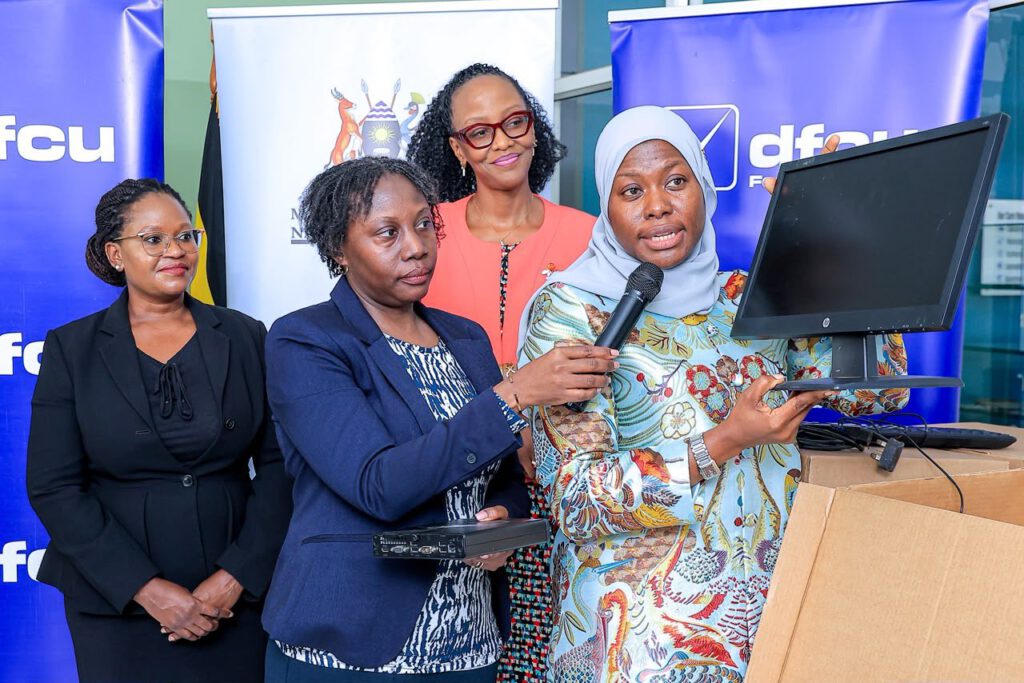
dfcu Bank and the dfcu Foundation have donated 100 computers to support digital education in rural schools through the Ministry of ICT and National Guidance’s SOMA e-learning programme.
The computers will be distributed to selected underserved schools where learners have limited access to ICT equipment, reliable internet connectivity and digital learning resources.
The initiative was launched at the National ICT Innovation Hub in Kampala as part of a partnership intended to reduce Uganda’s digital divide and equip learners with practical technology skills.
Receiving the computers, the Ministry of ICT and National Guidance Permanent Secretary, Dr Aminah Zawedde, said the handover had translated the partnership into practical support for learners.
“Today, we are pleased to see that commitment translated into action through the handover of 100 computers donated by the dfcu Foundation through dfcu Bank,” Zawedde said.
She said the computers would give learners in rural schools access to technology and help them develop essential digital skills from an early age.
The devices will be installed with the SOMA e-learning platform, which provides educational content, virtual learning resources and digital skills materials.

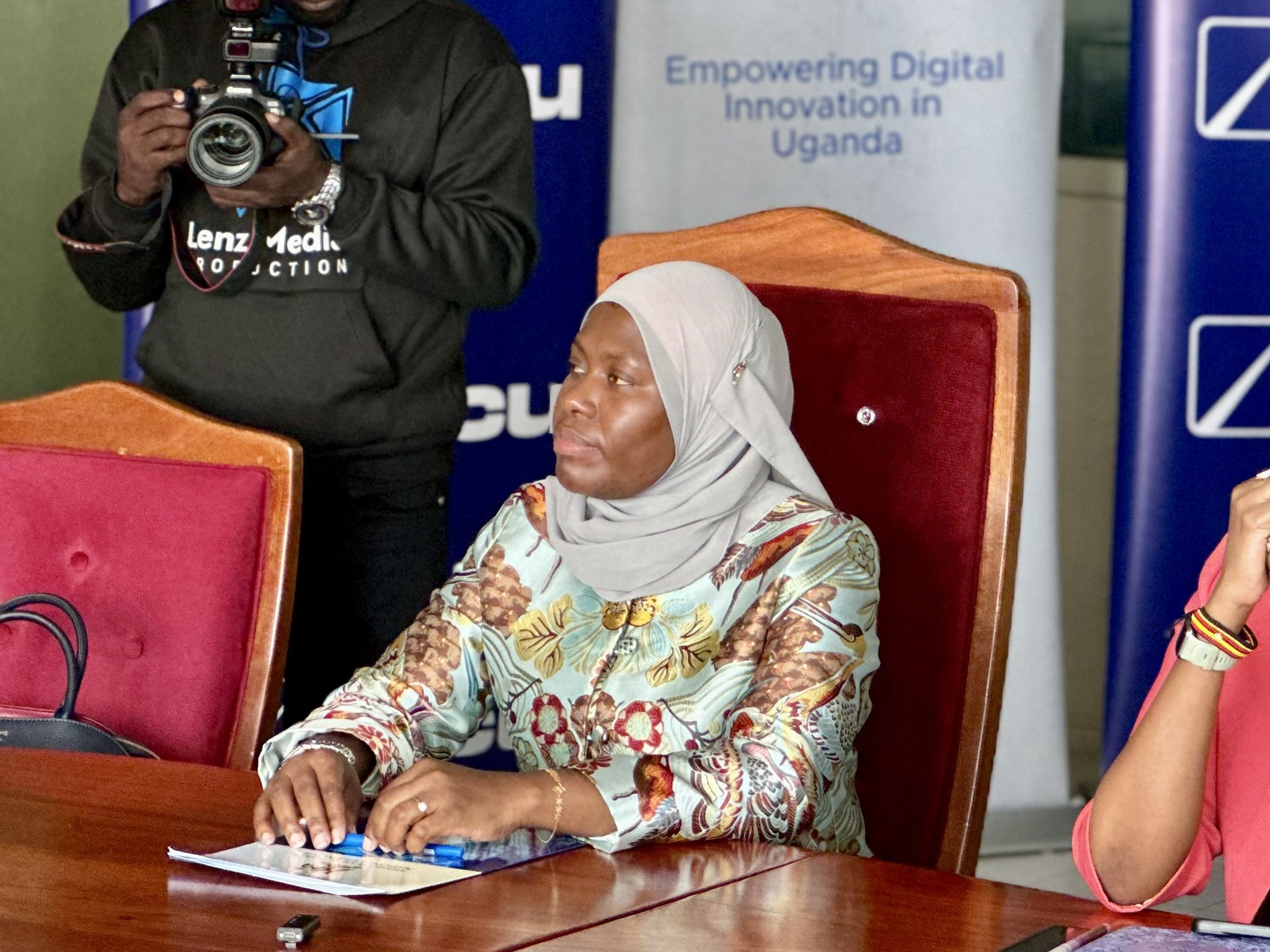
According to Zawedde, the platform can also operate offline, making it suitable for schools facing unreliable or limited internet connectivity.
“Platforms like SOMA Offline also offer educational resources with no need of active internet connection and can support learners in rural schools that rely on solar power,” she said.
Zawedde said access to digital education should not be determined by a learner’s location or family background.
“A learner’s location or background should not determine whether they can access technology,” she said.
Representing dfcu Bank chief executive officer Charles Mudiwa, the bank’s Head of Corporate Affairs and Sustainability, Helena Mayanja, said the partnership would support schools, innovation hubs and vocational skilling centres with computers carrying the SOMA platform.
Mayanja said that although Uganda was expanding its digital services, many communities remained excluded because they lacked devices, connectivity or the skills needed to use technology.
“Uganda is increasingly becoming digital, but many people remain offline. Many do not know how to use ICT gadgets, with some teachers more worried about using computers than their learners,” she said.
She said the initiative also seeks to help teachers become more confident in using ICT tools during lessons.
The donation follows a memorandum of understanding signed by dfcu and the Ministry of ICT and National Guidance on November 16, 2025.
According to the organisations, the partnership seeks to promote innovation and support enterprises led by young people and women in line with Uganda Vision 2040.
“Knowledge is like a garden. If it is not cultivated, it cannot be harvested. These computers are tools through which learners can cultivate knowledge, build useful skills and explore new opportunities,” Mayanja said.

The dfcu Foundation executive director, Mable Ndawula, said the programme would strengthen digital literacy, entrepreneurship and financial management skills among learners and entrepreneurs.
She said the SOMA platform offers free self-paced learning modules, including content on financial literacy and agribusiness.
“SOMA is a self-paced e-learning solution that provides guidance and quality learning resources accessed by students to learn free of charge,” Ndawula said.
She added that offline content servers would enable participating schools to access learning resources even without an active internet connection.
The partners expect the initiative to improve access to educational materials, strengthen digital skills and encourage innovation among learners in communities that have previously had limited access to technology.