
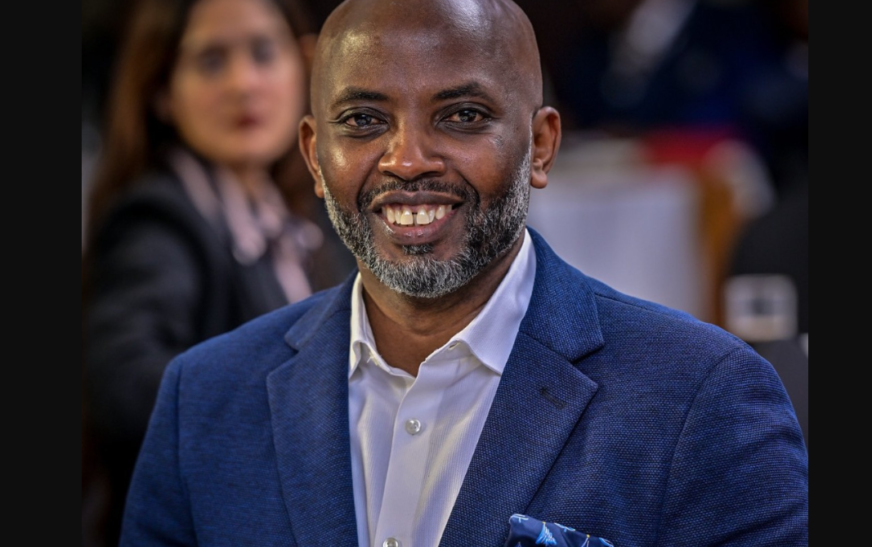
Members of the Banyarwanda community in the Greater Masaka region have appealed to President Yoweri Kaguta Museveni to ensure their community remains represented in government following Parliament’s rejection of Dr Lawrence Muganga as State Minister for Internal Affairs.
The appeal follows the recent vetting of ministerial nominees appointed by President Museveni to serve in the new Cabinet. Dr Muganga, who serves as Vice Chancellor of Victoria University, was among the nominees considered by Parliament’s Appointments Committee.
However, his appointment was rejected after the committee determined that his dual citizenship status did not meet the constitutional requirements for the ministerial position.
The decision has sparked concern among members of the Banyarwanda community, particularly in Masaka and neighboring districts, who fear losing representation at the ministerial level.
Community leaders have cautioned against interpreting the matter as a question of nationality or ethnicity. They stressed that the rejection was based solely on constitutional provisions regarding dual citizenship.
“The facts are clear. Dr Muganga’s appointment was rejected because of the issue of dual citizenship, which is provided for in the law. It should not be turned into a nationality debate,” community members said.
Ruth Komugisha, a leader within the Banyarwanda community in Greater Masaka, said the community was disappointed by the outcome but remains optimistic that other qualified members can be considered for government appointments.
“There are many Banyarwanda in Uganda who possess the qualifications and experience required to serve as ministers. We hope that our community will continue to be considered for such positions,” Komugisha said.
Community members also highlighted the significance of the Ministry of Internal Affairs to their concerns, noting that some Banyarwanda continue to encounter challenges when seeking government services and obtaining official identification documents.
“We had hoped that having one of our own in the ministry would help address some of the challenges our people face, especially when it comes to acquiring important national documents,” some community members said.
Meanwhile, Sam Mugenyi, another community member, warned against attempts to use the controversy for political or personal interests.
“Many individuals have started using this issue to advance their own interests. The community should not fall into that trap,” Mugenyi said.
According to Uganda’s 2024 National Population Census, hundreds of thousands of people of Rwandan descent live in various parts of the country.
Although the Banyarwanda were formally recognized among Uganda’s indigenous communities following constitutional changes in 1995, some members of the community say they continue to face challenges and discrimination in certain areas.
Officials from the National Identification and Registration Authority (NIRA), however, maintain that many registration-related difficulties arise when applicants fail to comply with the required verification and documentation procedures.
The community has now called on President Museveni to consider appointing another qualified member to government, arguing that continued representation would help address concerns affecting Banyarwanda communities across the country.