
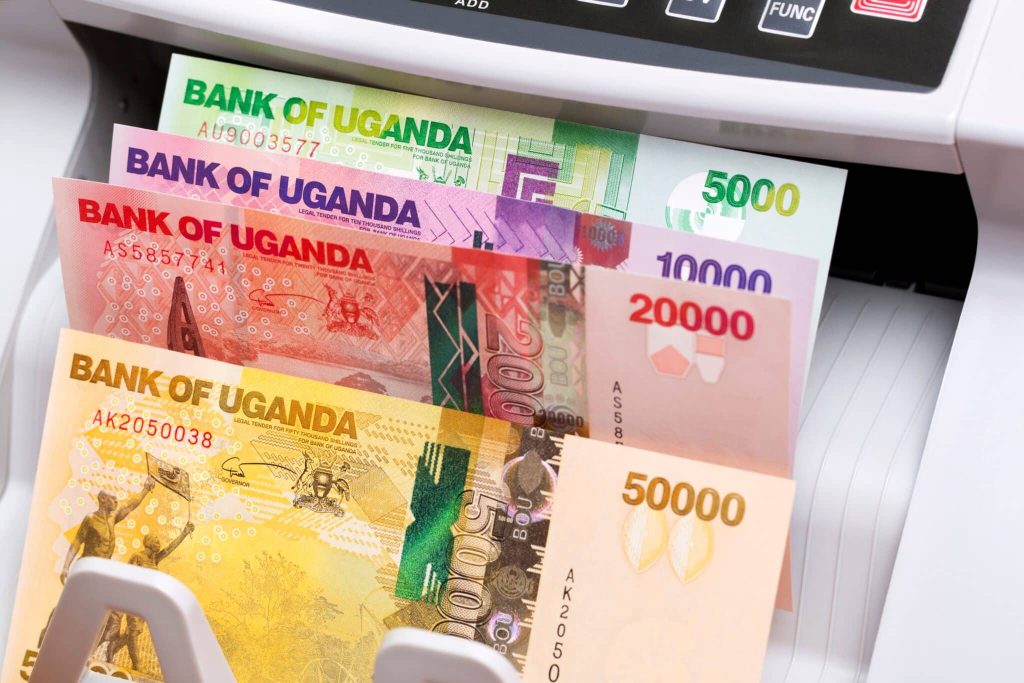
The Bank of Uganda has announced new daily limits on over-the-counter cash withdrawals as part of a policy shift aimed at reducing reliance on physical cash.
Under the new directive, individuals will be allowed to withdraw up to Shs50 million per day. Businesses and corporate entities will be limited to Shs500 million daily.
The limits will take effect on January 1, 2027.
The central bank issued the circular to commercial banks, credit institutions and microfinance deposit-taking institutions. The directive gives financial institutions time to prepare before implementation begins.
BoU pushes cash-lite economy
The Bank of Uganda says the policy aims to support Uganda’s move toward a cash-lite economy.
It also seeks to encourage wider use of digital financial services. These include internet banking, bank transfers and electronic account-to-account payments.
Kenneth Egesa, the Bank of Uganda director of communications, confirmed that the circular had already been sent to supervised financial institutions.
The central bank expects the policy to reduce heavy dependence on large cash transactions across the economy.
Cash-heavy sectors may feel impact
The new limits could affect sectors that still rely heavily on physical cash.
These include wholesale trade, construction, agriculture and transport businesses. Many operators in these sectors continue to use large cash payments for daily transactions.
Financial analysts say the policy reflects wider global efforts to modernise payment systems. They also say it could improve transaction traceability and strengthen anti-money laundering controls.
However, some business owners have raised concerns about the timing of the directive. They say it could disrupt operations in areas where digital payment systems remain unreliable or inaccessible.
Debate expected over digital readiness
Uganda has recorded steady growth in mobile money, internet banking and electronic payments in recent years.
Government agencies and private institutions have also increased efforts to promote cashless transactions.
However, the new directive is likely to generate debate across the country. Key concerns may include financial inclusion, digital infrastructure and the practicality of reducing cash use in Uganda’s largely informal economy.